
FoodTiq
FoodTiq is a food delivery company aiming to disrupt the market by onboarding street food vendors. Their goal is to create a seamless mobile and web app for both restaurants and vendors, expanding access to authentic, affordable local food.
Lagos & Germany
3 months
Food delivery
Challenge
Create a platform that not only catered to established restaurants but also successfully onboarded street food vendors who typically operate without digital systems. This required designing an accessible, easy-to-use interface for vendors with limited tech experience, while also providing a seamless ordering experience for customers seeking authentic, affordable local food. Balancing these needs was key to expanding market reach and generating demand for local street food through digital channels.
Results
A user-friendly, easy to use mobile and web app that successfully onboarded street food vendors, offered diversity of options and provided digital convenience.
76%
Of users expressed satisfaction with the app's experience.
23%
Increase in daily active users, indicating higher user involvement and interest in the platform.


Process
Research & Discovery: I first understood FoodTiq’s vision and needs for street food vendors with low digital literacy. After researching competitors and user behavior, I interviewed vendors to address their challenges in adapting to digital platforms.
User Personas:
Vendors: Need a simple system to upload menus, prices, and availability.
Customers: Seek affordable, authentic food with a smooth ordering experience. I designed an easy onboarding process for vendors and quick search filters for customers.
Wireframing:
Vendor Interface: Simple dashboard for managing profiles, menus, and availability, with step-by-step onboarding.
Customer Interface: Filters for nearby street food, with vendor ratings and reviews.
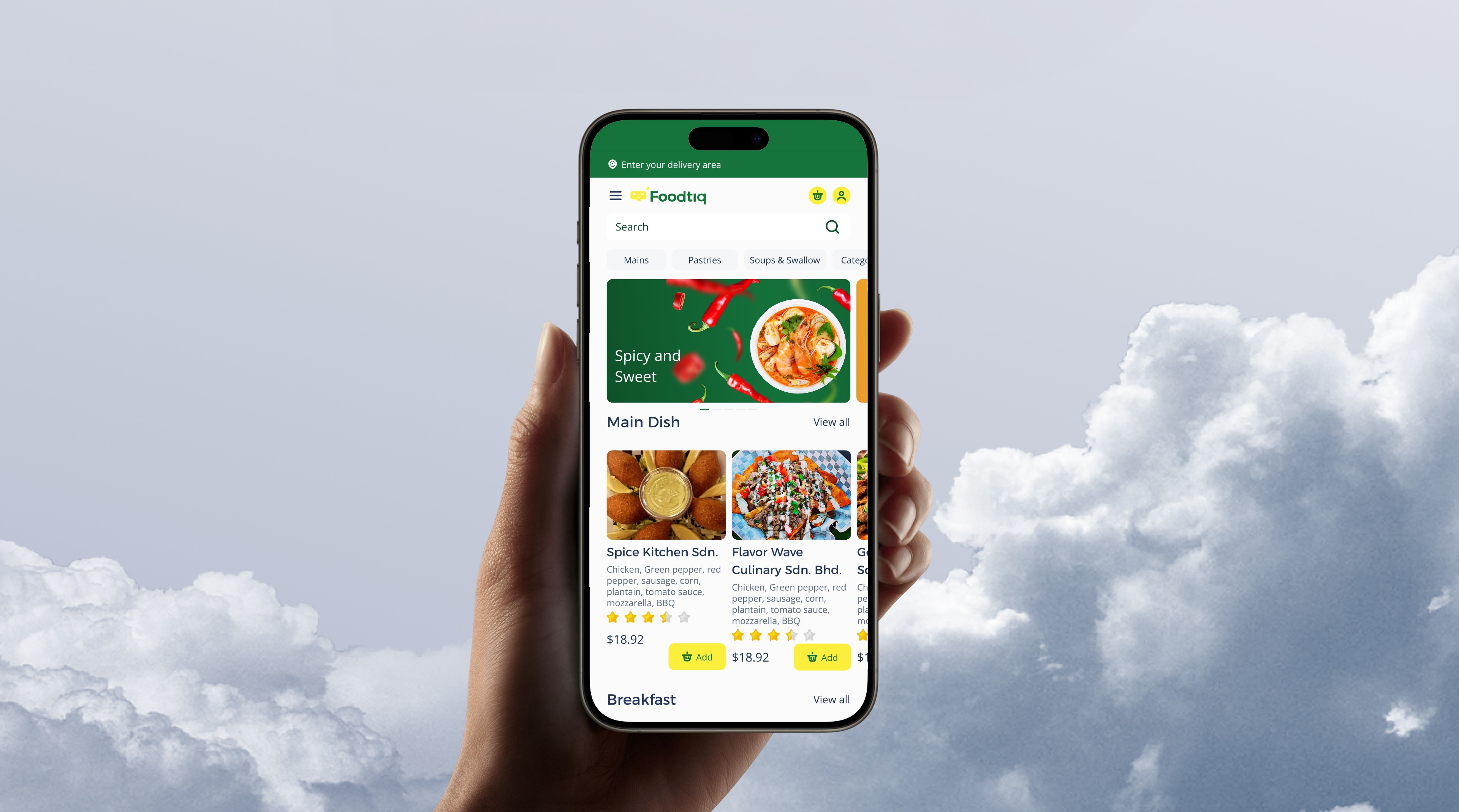
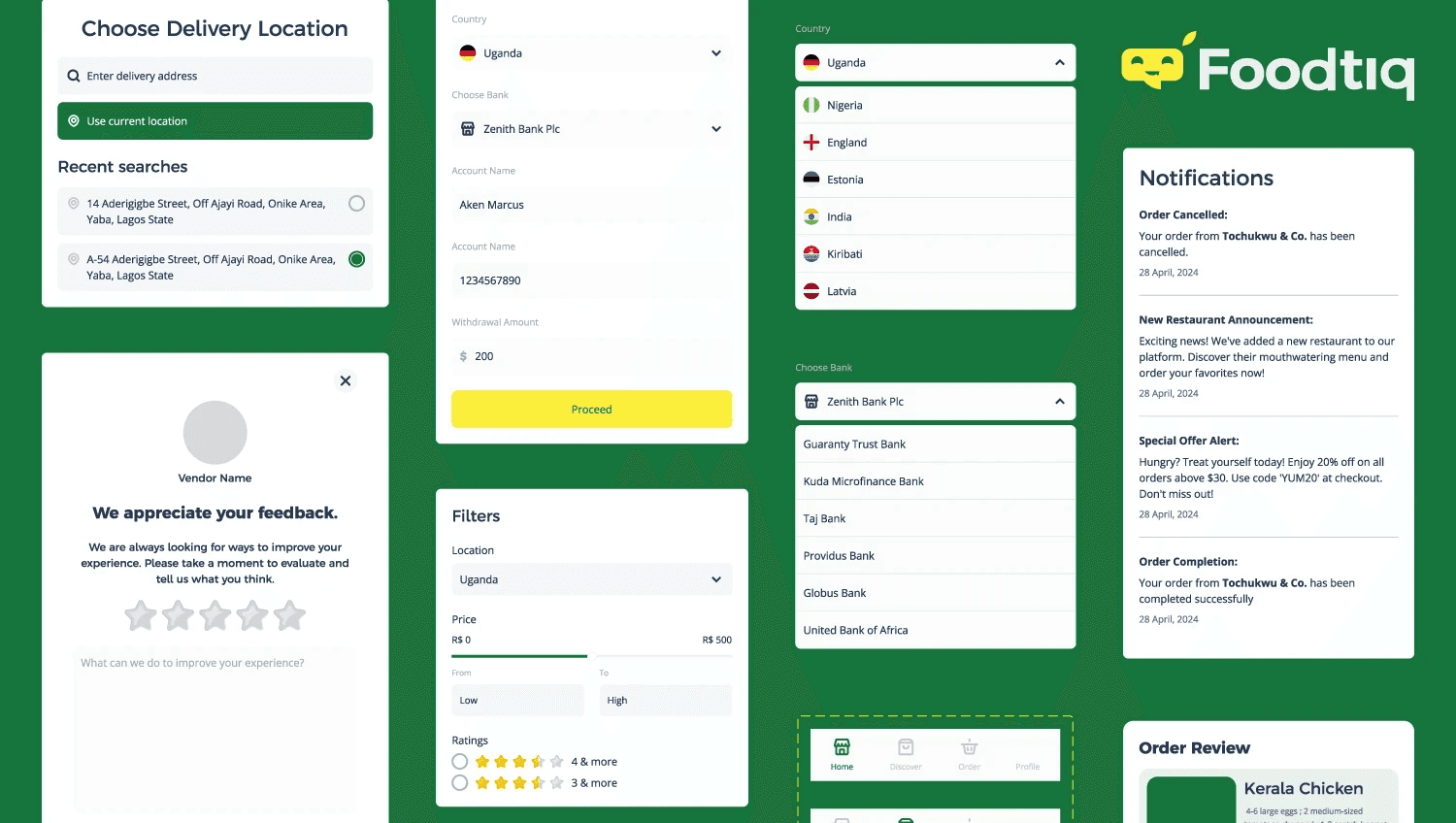
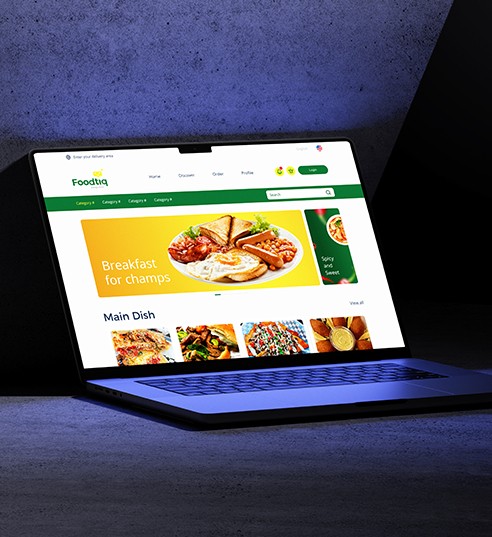
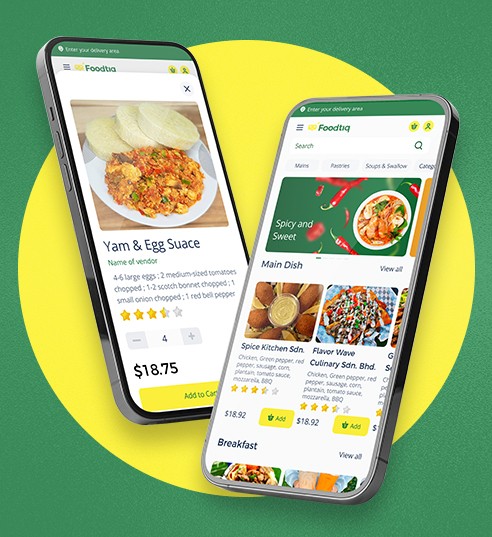
High-Fidelity Designs: After validating wireframes, I created minimal, functional vendor UIs with clear fonts and bold call-to-actions. The customer interface used vibrant food imagery and a simple layout for effortless ordering.
Key features:
Vendor Dashboard: Manage menu, orders, income, and update hours with a calendar.
Customer Experience: Map-based search to find vendors, and a “vendor story” section to connect users with local food culture.
Testing & Iterations: Using the user journey map, I tested several scenarios to ensure a seamless experience. User testing led to simplifying vendor instructions and enhancing the help guide. Positive feedback on map search and vendor profiles boosted trust, while minor adjustments optimized filter placement and search speed.
Conclusion
The design successfully met the needs of both street food vendors and customers by creating simple, user-friendly interfaces. It expanded market reach, helping vendors go digital and offering customers a seamless ordering experience.
Learning Points:
User-Centered Design is key, especially for users with low tech skills.
Scenario Testing ensures a smooth, intuitive user journey.
Collaboration with users provides valuable insights for improvement.
Simplicity enhances ease of use and platform adoption.